November 3, 2026
Exploring the advantages of collaborating with professional landscape designers and the profound impact they have on outdoor spaces is integral to understanding why their services are so valuable. With growing emphasis on beautiful and sustainable outdoor environments, professional landscaping services have never been more crucial. Landscapes designed by experts are not just visually appealing, but they often incorporate ecological principles and sustainable practices that can benefit both homeowners and the environment. As the Landscaping Services industry continues to grow, stakeholders within the industry play a critical role in ensuring that landscape design meets modern-day standards and aesthetic desires. The decision to hire professionals goes beyond simple convenience; it opens the door to a host of benefits that can transform ordinary spaces into extraordinary ones.
1. Understanding Expertise and Knowledge
Professional landscape designers possess an in-depth understanding of local flora and climate, which is essential for creating a thriving outdoor environment. By selecting plants that are well-suited to the local climate, designers can ensure long-term sustainability and beauty. This knowledge helps avoid common pitfalls faced by amateur gardeners who might unwittingly plant species that aren't optimal for the area's conditions. Experts consider aspects like temperature fluctuations, rainfall patterns, and seasonal changes when planning a landscape design. Such tailored selections can lead to healthier plant life and reduced maintenance needs, maximizing enjoyment and ecological benefits.
The foundation of any successful landscape design is the quality of the soil in which plants are rooted. Professional landscapers begin by assessing soil composition and fertility, tailoring amendments to ensure optimal plant growth. Without proper soil preparation, even the best design ideas may not reach their full potential. Experts can identify issues such as poor drainage or nutrient deficiencies and employ strategies to rectify them. This foundational step secures the lasting success and health of the landscape, providing a rich environment for flora to flourish while incorporating sustainable practices such as xeriscaping, rainwater harvesting, and native plantings.
2. Streamlining Time and Efficiency
Time is a precious commodity, and professional landscapers excel in project planning to deliver timely results. Their expertise allows them to map out comprehensive timelines that take into account various stages of the design and implementation process. By offering a clear schedule, homeowners can anticipate when specific elements will be completed and plan accordingly. This structured approach minimizes disruptions and ensures that projects are completed efficiently. The ability to accurately predict project phases leads to a smoother and quicker transition from initial planning to final site execution.
Professional landscapers come equipped with specialized tools and techniques that significantly enhance the efficiency and quality of their work. From sophisticated design software to advanced heavy equipment, these resources allow for precision and creativity in developing functional outdoor landscapes. The accessibility of such tools eliminates the guesswork often encountered by amateurs. Moreover, their proficiency in using these tools translates to less risk of damage and greater accuracy during installation, ensuring homeowners benefit from a higher standard of craftsmanship delivered with care.
A well-designed landscape withstands the test of time, and professionals excel in creating plans that address long-term maintenance needs. By considering factors such as plant growth, soil health, and structural integrity, landscapers provide clients with guidance on ongoing upkeep. This foresight helps homeowners manage their landscapes more effectively, preventing common issues that could lead to costly overhauls. Regular maintenance planning ensures that outdoor spaces remain healthy and aesthetically pleasing, maximizing their longevity and year-round functional value.
3. Increasing Property Value
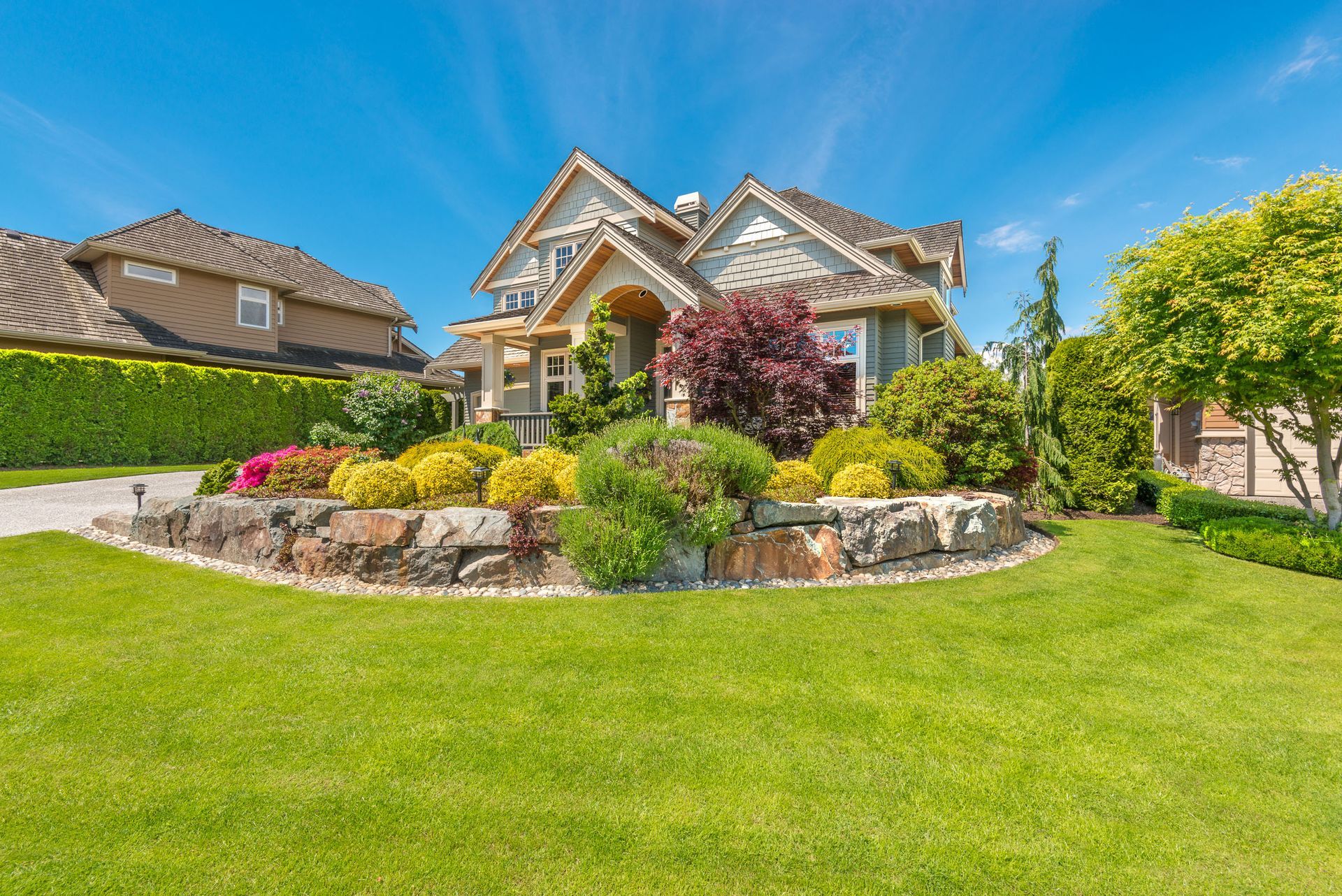
Enhancing curb appeal is one of the most profound ways professional landscapers contribute to increased property value. A well-designed front yard makes an immediate impression, capturing the interest of potential buyers and elevating the home's overall marketability. Landscapers use their expertise to create visually appealing and inviting entrances that resonate with both visitors and valuation experts. This strategic approach to landscape design can significantly uplift the perceived value of a residential or commercial property, presenting owners with a tangible return on investment through elevated market stature.
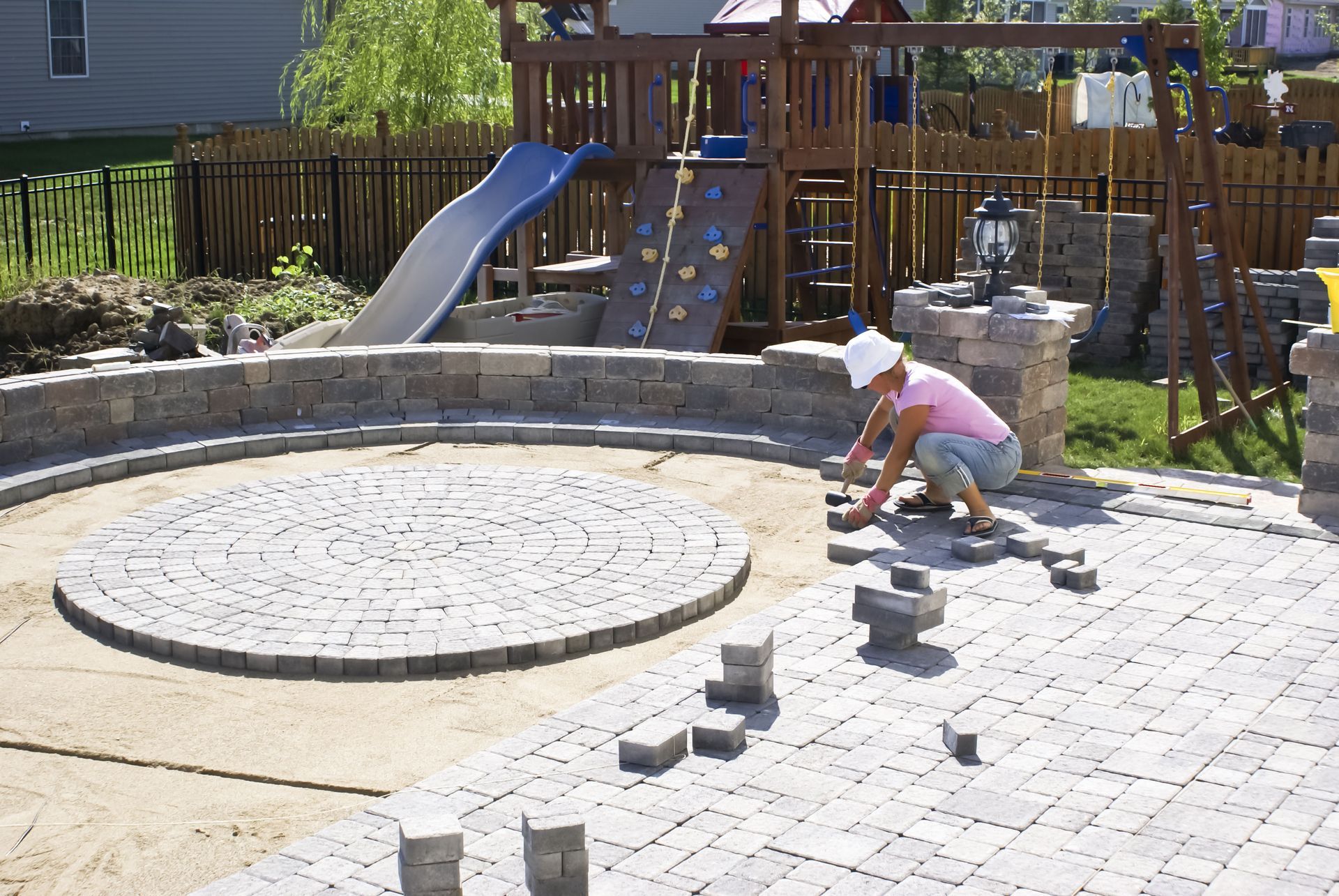
The transformation of outdoor areas into functional living spaces adds substantial appeal to any property. Professional landscapers are capable of creating multipurpose environments that extend the home's living area to the outdoors, including outdoor kitchens, seating areas, and recreational facilities tailored to personal lifestyle needs. Furthermore, professionally designed landscapes play a key role in lowering energy costs by improving energy efficiency. Strategic placement of trees and shrubs provides natural shade and wind protection, reducing heating and cooling demands throughout the seasons.
4. Optimizing Creative Design Options
Professional landscapers bring a level of creativity and customization to projects that is difficult to replicate through DIY efforts. By taking into account a client's personal style and site constraints, they craft bespoke landscape design layouts that resonate on a personal level. This degree of customization ensures that outdoor spaces reflect individual tastes while fulfilling practical demands. Whether creating a serene garden retreat or a vibrant social entertaining area, personalized designs contribute distinct character and artistic charm to the entire residence.
Incorporating contemporary trends and innovative features allows professional designers to keep outdoor spaces functional and visually captivating. They offer modern updates such as vertical gardens, eco-friendly hardscape materials, and smart irrigation systems that adapt to shifting environmental conditions. By skillfully integrating features like water installations, ornamental lighting, and specialized native plantings, professionals achieve dynamic layers of interest. Their expertise ensures these features remain balanced without overwhelming the natural character of the surrounding environment.
Achieving color harmony, textural balance, and architectural spatial optimization requires specialized design training. By carefully selecting plants and construction materials with complementary hues and textures, designers create environments that remain visually appealing across all four seasons. Furthermore, introducing architectural elements like pergolas, retaining walls, and multi-level terraces redefines how space is utilized. These creative solutions transform small or awkwardly shaped yards into practical, beautiful outdoor retreats that blend seamlessly with the home's existing architecture.
5. Enhancing Environmental Impact
Professional landscape designers are pivotal in implementing sustainable water management practices in outdoor spaces. Techniques such as rainwater harvesting, drip irrigation systems, and the inclusion of drought-resistant plant species exemplify their environmentally conscious strategies. These initiatives conserve municipal water supplies while maintaining the ecological health of local watersheds. By applying efficient water management techniques, professionals help property owners reduce their environmental footprint while maintaining vibrant, healthy green spaces throughout changing weather conditions.
Promoting biodiversity is a crucial consideration in modern landscape design, with experts actively creating habitats that support diverse local wildlife. By incorporating native plant species, designers encourage the flourishing of beneficial insects, birds, and pollinators, enhancing overall ecological health. Additionally, professionals utilize natural pest management strategies that minimize reliance on chemical treatments. By fostering natural predator ecosystems and selecting pest-resistant plant varieties, designers maintain plant health while protecting local soil and groundwater resources from chemical runoff.
The essential roles professionals play in enriching landscapes through their expertise, innovation, and commitment to sustainability are transformative for homeowners and the environment alike. From significantly enhancing aesthetic appeal and property value to implementing environmentally friendly practices, the benefits of hiring a professional landscape designer are extensive and varied. According to IBISWorld, the market size of the Landscaping Services industry in the United States is $176.7bn in 2026, reflecting the high demand and intrinsic value these services bring. By engaging professional insights, homeowners enjoy spaces that are finer in detail, richer in beauty, and greater in ecological harmony. For more information about the services that we offer, reach out to our incredible team at Pierce L. Shallis Landscaping & Design today!